Water, smoke, or contamination can affect furniture, papers, clothing, and everyday equipment in an Edmond home or business. We assess belongings by material and exposure, separate items that need different handling, and explain realistic cleaning, drying, or packing options.
The right recovery plan depends on the item, the water source, and the degree of exposure. We sort belongings, note their condition, and plan cleaning, drying, or packing by material so items from a storm-damaged room are not handled as though they had a minor clean-water splash.
When water reaches a home or business, belongings may have sentimental value, support daily routines, or be needed for work. We begin with sorting and an item-by-item condition check, considering the material, water source, and whether the affected space is safe for handling.
Moisture can warp wood, stain paper, affect fabrics, and create risks around powered electronics. We keep item groups organized, avoid unsafe handling, and choose cleaning or controlled drying methods suited to furniture, textiles, documents, electronics, and keepsakes.
A burst pipe, storm intrusion, appliance failure, or contaminated backup creates different handling needs. We explain what can be assessed immediately, what should remain isolated, and how contents work can proceed alongside drying and repairs in the affected Edmond property.
Each item is considered in light of its material, present condition, and exposure. We separate wet or potentially contaminated belongings, then discuss cleaning, controlled drying, or packing choices so owners can make practical decisions about what matters most.
Files, photos, books, and other paper items are assessed for moisture, dirt, and condition. We separate affected groups and discuss careful stabilization and drying options before further handling causes pages to stick or surfaces to transfer.
Ask about document careSofas, chairs, cabinets, and other furnishings are checked for water exposure, finish changes, and damp internal components. Cleaning and drying choices depend on construction and whether the water came from a pipe, storm, or backup.
Request furniture careKeep wet electronics disconnected and do not power them on to test them. We can help sort affected devices and media for assessment, while explaining that recovery options depend on the item's condition and type of exposure.
Ask about electronicsWhen rooms need to be cleared for drying or repair, we can help organize and pack belongings by room and condition. Any temporary storage plan should keep wet or exposed items separated from clean, unaffected contents.
Discuss packing supportWe note the item type, visible condition, and reported source of water, then identify which belongings need prompt separation or further assessment before choosing a handling method.
Fragile and personally important items are identified during sorting and kept organized. Handling and drying decisions reflect their condition and exposure; no single method suits every material.
Drying the room and its contents are related but separate tasks. Airflow, dehumidification, and moisture checks can help limit lingering dampness and odors while the source and affected materials are addressed.
An item list, condition notes, and a record of handling can help owners keep track of contents during a disruption and discuss the loss with their insurance representative.
A contents project may involve a few damp items or belongings from several rooms after a storm or plumbing loss. We sort by exposure and condition, protect items from avoidable handling, and explain which recovery steps are practical before rooms are cleared or repairs begin.
We identify affected belongings, record their visible condition, and ask how they were exposed. Stormwater and sewage require different precautions from a brief clean-water leak.
We group belongings by room, material, and exposure, keeping wet or potentially contaminated items apart from unaffected contents while the affected space is assessed.
Cleaning and drying are selected for the item and source of water. Paper, upholstery, wood, and electronics have different limits, so we explain the options and handling needs before work proceeds.
If contents need to move so a room can be dried or repaired, packing is organized to reduce mix-ups and cross-contact. The destination and separation plan depend on whether belongings are clean, wet, or exposed to contaminated water.
After the room is dry and repairs allow access, owners can review which items are ready to return and where they belong. The return can be planned around the condition of both the contents and the space.
We review the item type, the damage source, the material sensitivity, and the level of contamination before suggesting cleaning, drying, or packing options.
We handle furniture, upholstery, documents, electronics, clothing, decorative pieces, and other personal items that were exposed to water, smoke, or contamination.
Yes. Fragile items such as papers, photographs, hard drives, and small electronics may require specialized drying and careful handling to prevent further damage.
We can coordinate packing, sorting, and temporary storage support so belongings are protected while the affected space is being dried or repaired.
If it is safe, stop the source of the damage, avoid handling soaked electronics or papers unnecessarily, and keep affected items separated so they can be assessed clearly.
We help Edmond homes and businesses sort, assess, clean, dry, and organize belongings affected by a leak, storm, or backup. Tell us which rooms are involved and whether items are wet or contaminated so handling priorities can be discussed.
Water damage affects belongings as well as the building. Furniture, photographs, books, clothing, rugs, electronics, and keepsakes may all respond differently to moisture. The first step is to keep people safe and avoid handling items exposed to contaminated water until the area has been assessed. Items that are wet from a clean supply line may be approached differently from belongings exposed to floodwater or a sewage backup. The source and length of exposure guide decisions about cleaning, drying, and disposal.
Sorting helps make recovery manageable. We identify items by room or owner, note visible damage, and separate materials that need specialized handling. Paper and photographs can be particularly vulnerable because pages stick together and colors may transfer as they dry. Upholstered furniture can hold moisture deep in cushioning, while solid surfaces may need careful cleaning to avoid damaging finishes. Electronics should remain unplugged and should not be powered on while wet; an appropriate evaluation is safer than testing them at home.
Edmond storm seasons can create sudden roof leaks, broken windows, and water intrusion that affects several rooms at once. A freeze-related pipe leak can also soak stored boxes or closets before anyone notices. If safe, move dry items out of the affected path, but do not drag heavy wet furniture across finished floors or lift items in an unstable area. Photograph the room and items before moving them when possible, then keep a simple inventory that notes each item’s condition and location.
Contents restoration is based on material, contamination, and realistic recovery potential. Some items can be cleaned and dried; others may have sentimental value but require a specialist, or may not be safe to return to use. We explain the difference between a cleaning attempt and a guaranteed result. Fragile objects, heirlooms, and artwork may need a conservator or another specialty provider. When disposal is necessary, documenting why an item could not be restored can help maintain clear records.
For households and businesses in Edmond, Oklahoma City, Arcadia, and Guthrie, organized contents handling can reduce confusion while structural drying continues. Keep receipts and any insurer instructions with your inventory, and confirm before discarding property when a claim is being considered. We can document affected belongings and the work performed, but an insurance carrier decides coverage under the policy. Call Edmond Water Damage at (877) 852-4767 to discuss contents cleaning and restoration after water damage. Call Now: (877) 852-4767.
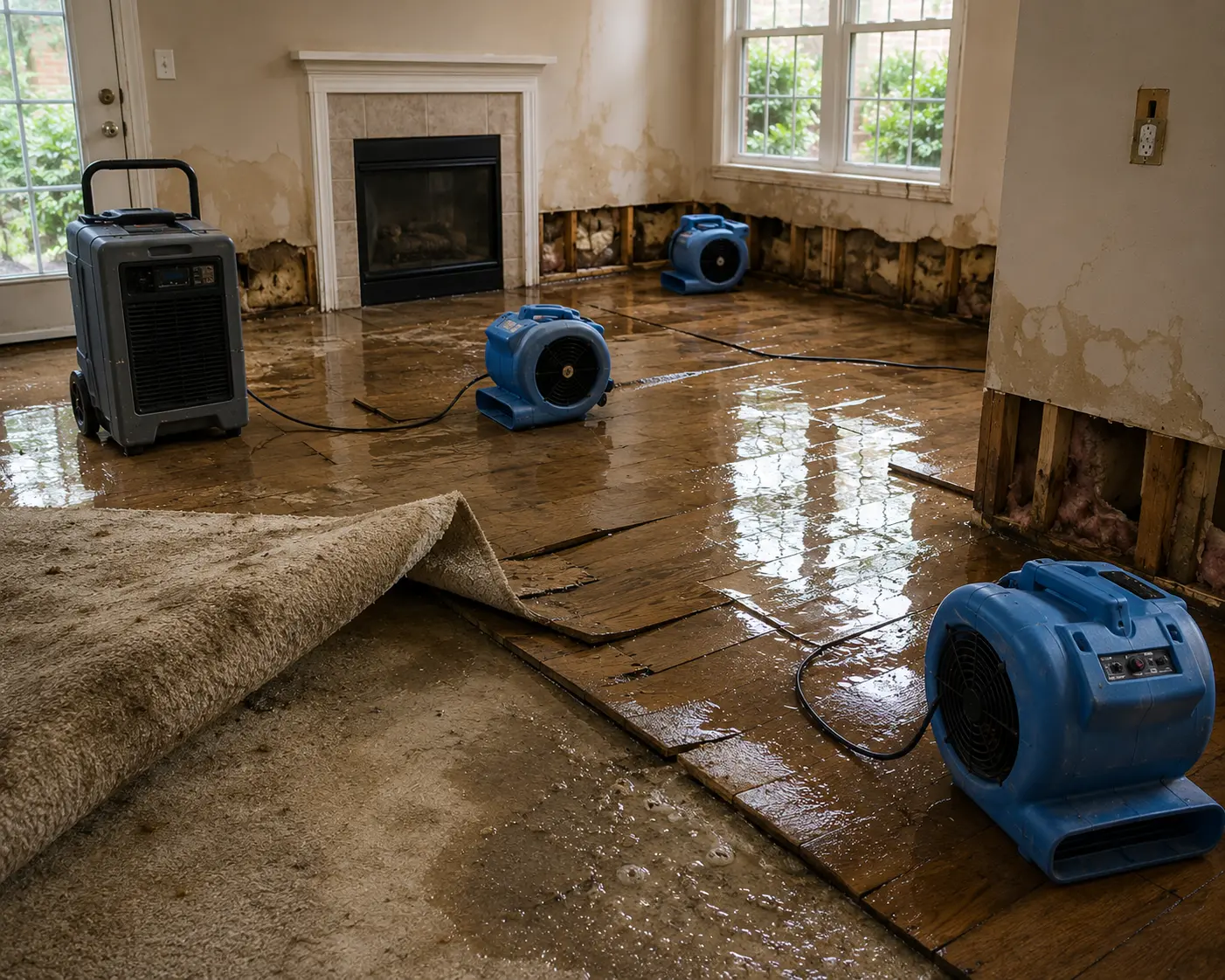
Tell us what happened, which rooms and belongings were affected, and whether the source is still active. We can discuss safe handling and practical contents-recovery steps for your Edmond property.